Window and workspace managers for Windows and Mac
Where things sit on your screens. Saved sets of what to open, window layouts that survive a new monitor, and shortcuts that stop clashing.
4 programs, free while we’re in preview. One file each. No account, no installer, nothing to uninstall.
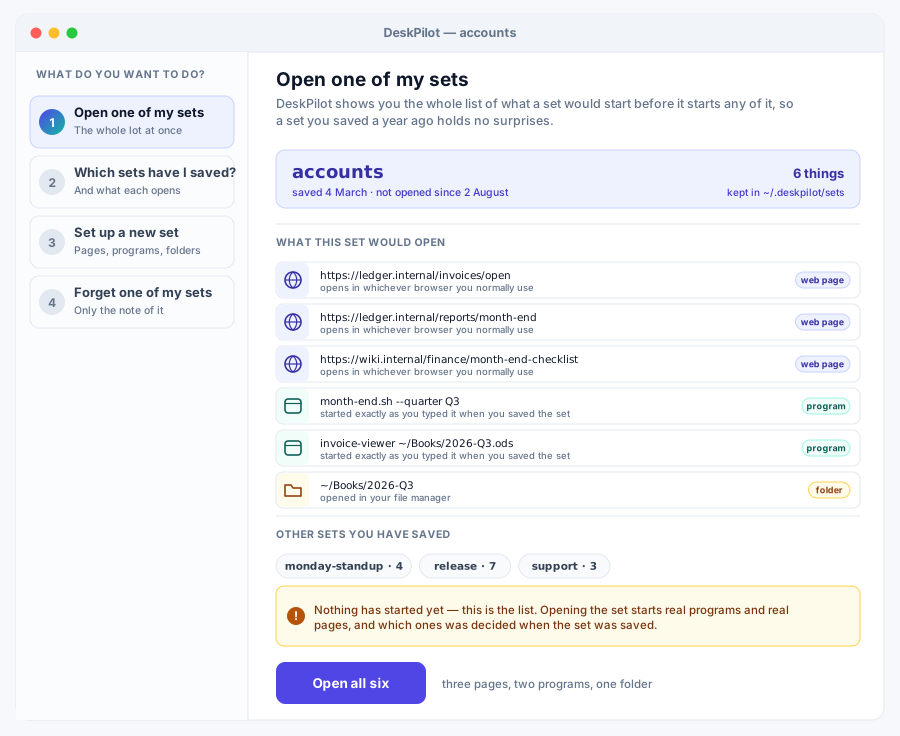

Save your morning set of tabs, apps and folders under one name. Open it in one command.
The Simple one of the 4: it keeps the settings to a minimum and picks sensible defaults for you, so there is almost nothing to learn before it is useful.
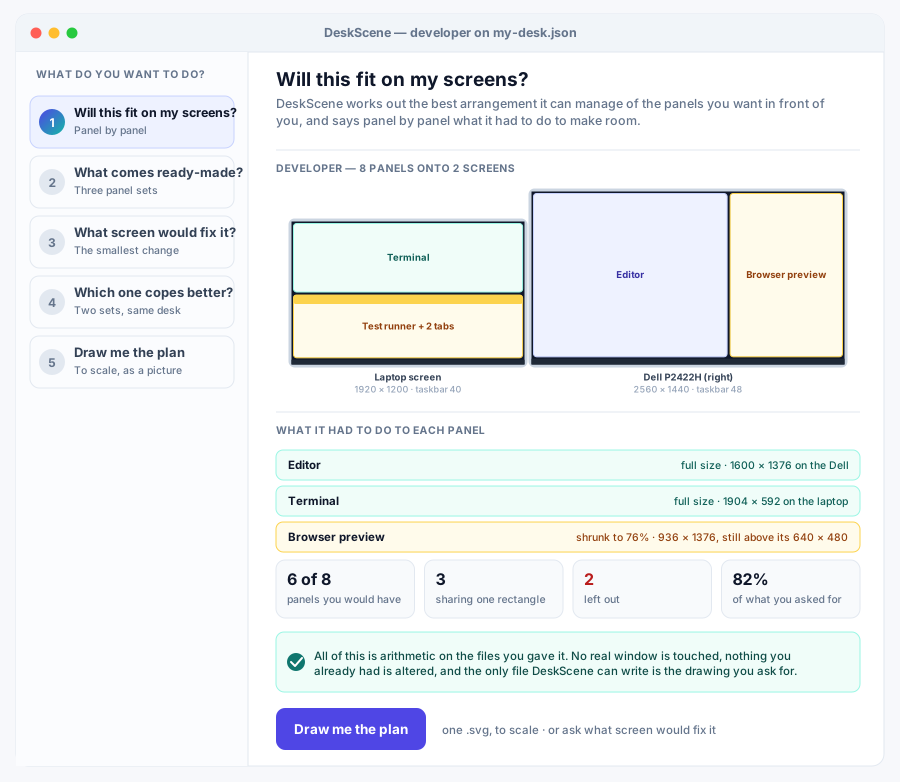

Your 12-pane trading layout won't fit the hotel laptop. This says what to give up, and why.
The Vertical one of the 4: it is tuned for that work specifically, with presets and reports built around it rather than every setting under the sun.
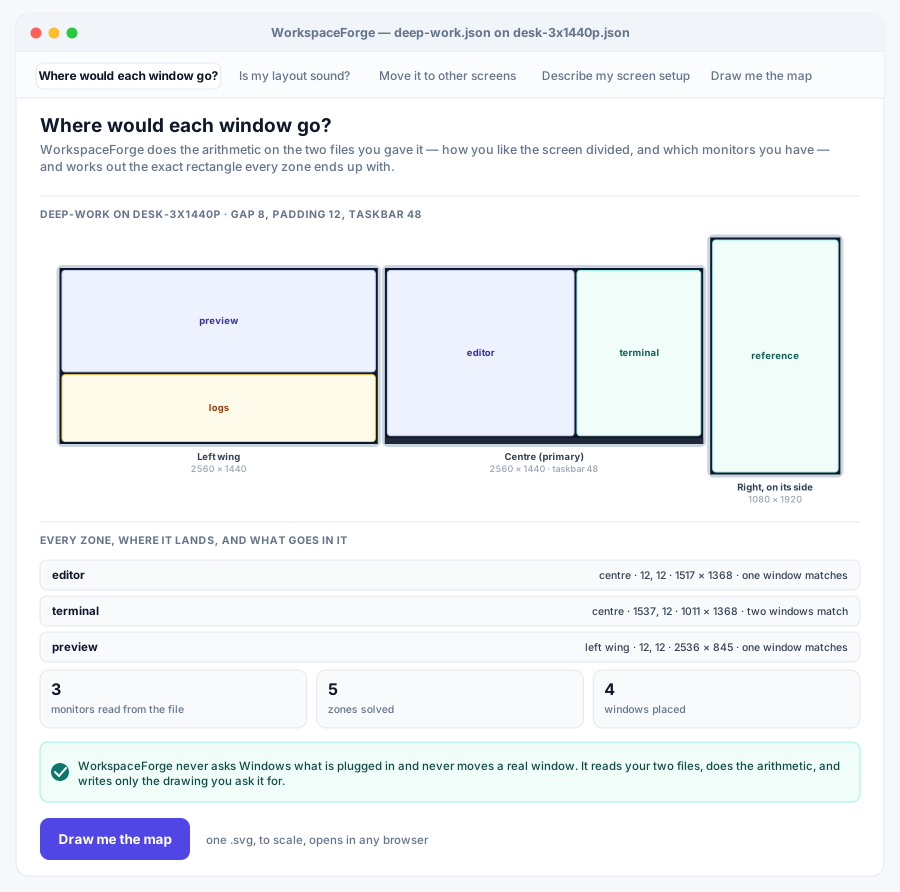

Works out where every window goes when today's screen isn't yesterday's.
The Pro one of the 4: it adds the deeper settings and finer control that people who use it every day ask for, without getting in the way on a quick job.
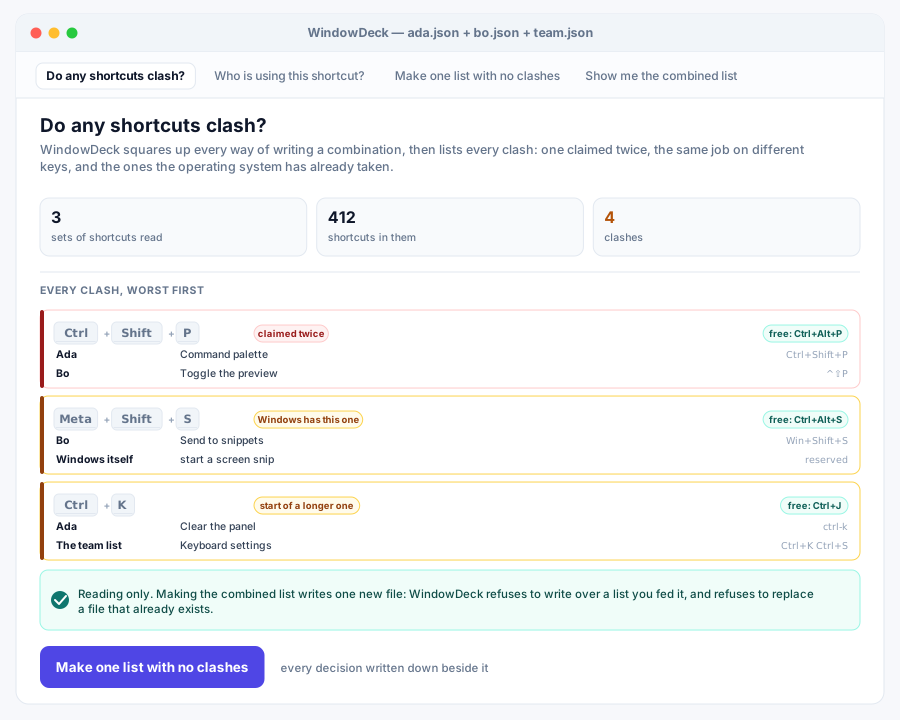

Settles whose Ctrl+Shift+P it is across everyone's keybinding files.
The Team one of the 4: it adds what a team needs: command-line control for scripts, settings you can roll out across machines, and a record of everything that ran.
Reading on this job
- How to save and reopen your whole working setup Opening the same eight things every morning is a task a computer should be doing, and most of it can.
What every program in this group guarantees
- Nothing is deleted. Anything a program removes is moved somewhere you can get it back from, and anything that changes files shows you the whole plan before it touches one.
- Nothing is reported back to us. No program here signs you in, phones home or counts what you did. The ones that use the network at all use it because that is the job, fetching a file you asked for, reaching a machine you named, and nowhere else.
- One file. Download it and run it. There is no installer, no runtime to fetch and nothing left behind if you delete it.
- The window and the command line are the same program. Double-click it for the window; give it arguments and the same binary runs as a command-line tool.
- The source is published for every program here, next to the download.
Looking for something else? Browse all 100 programs or see what a plan covers.